

Program Curriculum
Overview
The M.Sc. WASTE program starts every winter term (October) and is designed to be completed within four semesters. The program comprises Compulsory Modules along with an extensive selection of Elective Modules, which could include a Student Research Project or an Industrial Internship. Depending on German proficiency, students must also participate in German courses or Key Qualifications offered at the University.
A total of 120 ECTS credit points have to be completed to be granted the M.Sc. degree. Hence, completing an average of 30 ECTS credits per semester is highly recommended. ECTS credit points are the “common currency” for the study program modules. The Europe-wide point system allows comparisons of study programs and degrees.
Specialized Areas
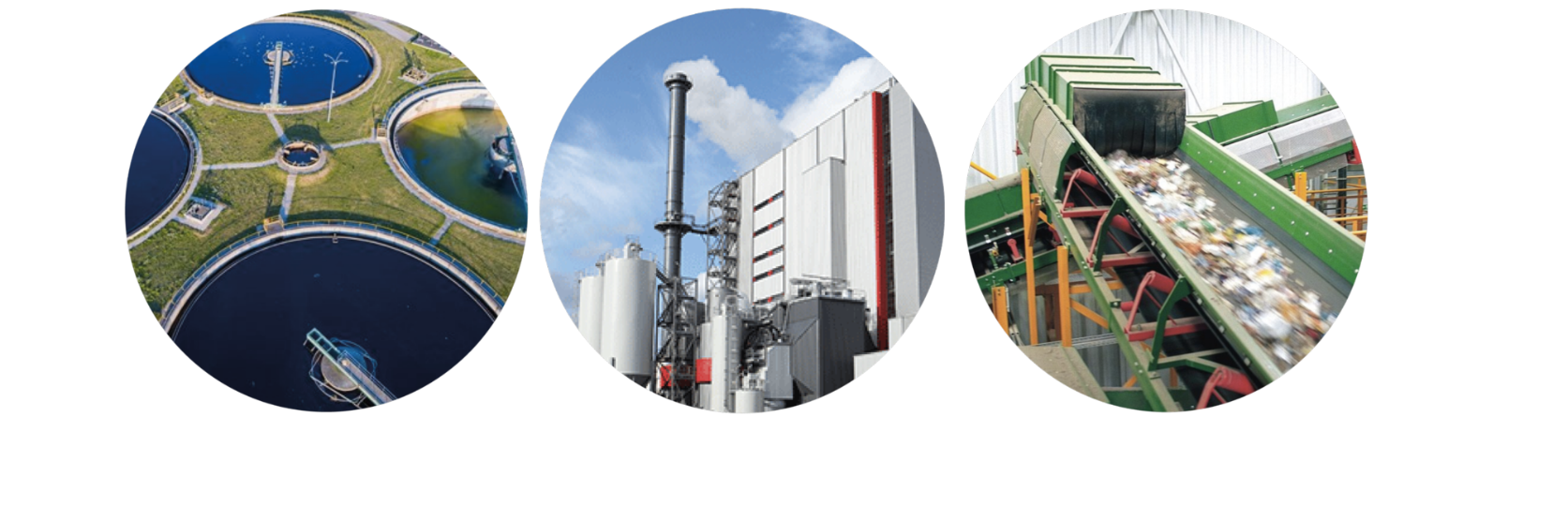
During the course of the program, students choose based on their individual interests among the following specialization areas:
- Air Quality Control
- Solid Waste Process Engineering
- Waste Water Process Engineering
Each area requires 18 ECTS credits to complete and consists on a mandatory Core module (6 ECTS), a Practical Work module (3 ECTS) and two Elective modules (6 ECTS and 3 ECTS, respectively). Alternatively, the 3 ECTS modules can be replaced by an Industrial Internship. You can find detailed information about the Core and Elective modules in the Module Handbook.
From Winter Semester 2026/2027, students will be able to choose based on their individual interests among newly structured specialization areas as following:
- Air Quality Control
- Solid Waste and Waste Water Treatment
- Ecosystems Analysis
More information on the new curriculum can be found on our Modules and Lectures webpage.
Important links
- Module Handbook
Module handbooks are only updated once per semester. Please check the latest module handbook in the Campus Management System C@MPUS.
Contact us

Carolina Acuña Caro
Dr.-Ing.Course Director M.Sc. WASTE